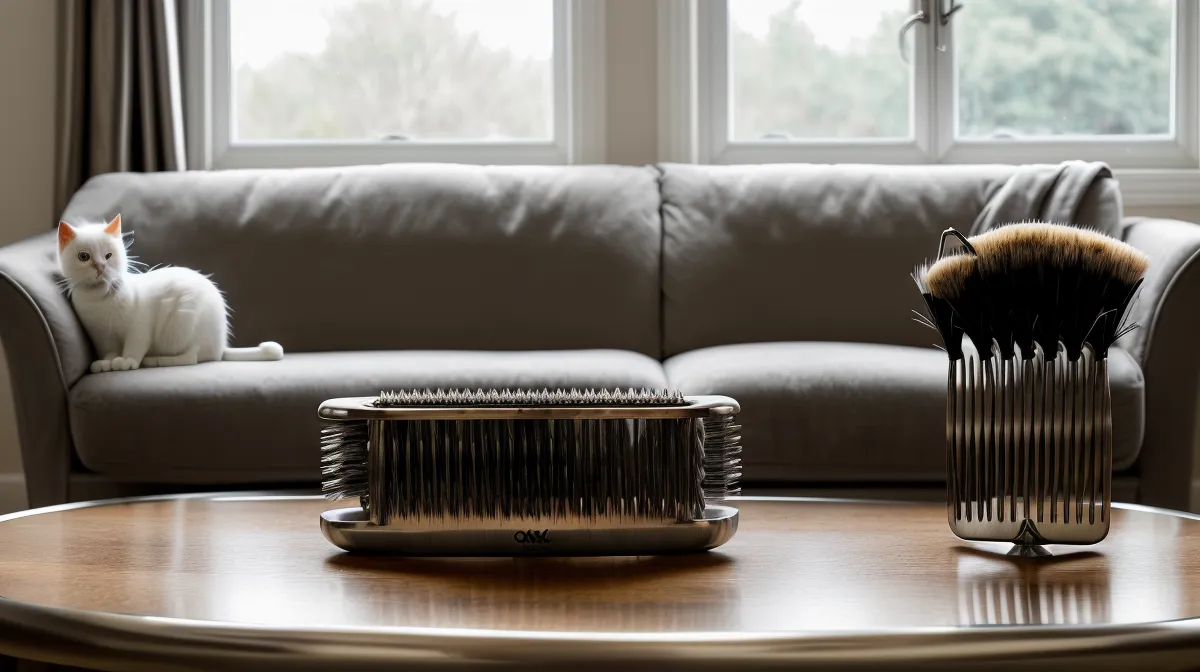
Late one evening, I was doing a final pass on a high-stakes UI layout when I saw it. A single, perfectly straight orange tabby hair was aligned exactly with a grid line on my 4K monitor. It wasn't a rendering glitch. It was the first shot fired in shedding season.
Before we get into the weeds of fur management, a quick heads-up: some of the links here are affiliate links. If you click through and grab something, I earn a commission at no extra cost to you. I buy this gear out of pocket first, live with it for weeks in my Denver apartment, and only keep the recommendations if Hopper and Beans—my resident chaos agents—actually approve.
Living in a suburban Denver one-bedroom with a 9-year-old tabby and a 4-year-old ragdoll mix means there is no 'away' for fur. It’s a closed system. The hair is either on them, on my rug, or drifting across my webcam lens during a client handoff. When you’re a freelance designer working long hours, you can’t afford to have your workstation look like the bottom of a bird’s nest. But after the third time a 'high-tech' grooming vacuum caused Hopper to vanish under the bed in absolute betrayal, I realized I needed to stop buying gadgets that looked like they belonged in a sci-fi movie and start looking at what the pros use.
The Biology of the Denver Fur-nado
Most of us think shedding is just a reaction to the heat. It’s not. It’s actually a biological response to changes in daylight, or the photoperiod. Cats generally go through 2 annual shedding cycles. Here in Colorado, when the light shifts in early May and again in late September, the 'fur-nado' hits my apartment with the force of a mountain squall.
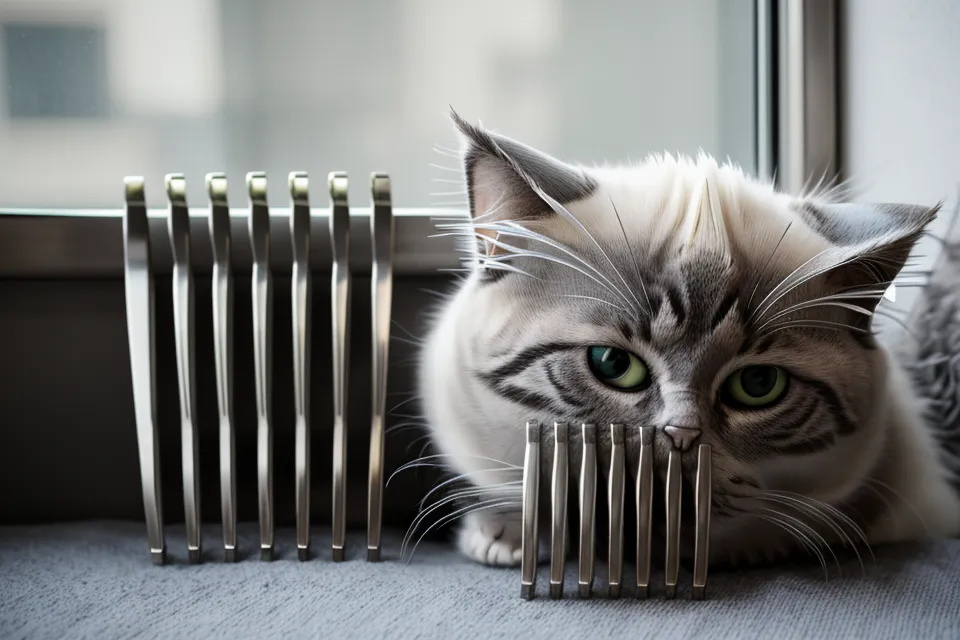
I used to think a brush was just a brush. But then I learned about the 3 feline coat layers: the guard hairs, the awn hairs, and the downy undercoat. My ragdoll mix, Beans, has an undercoat so dense it feels like a wool sweater that’s been through the dryer on high. Standard 'aesthetic' brushes from the big-box stores just skate over the top of those guard hairs, leaving the mats to fester underneath. It’s like trying to clean a deep-dish pizza pan with a feather duster. It doesn’t work, and you just end up with a mess.
That’s what led me to Revival Animal Health. They aren't trying to sell you a brush that matches your mid-century modern aesthetic. They sell professional-grade, stainless steel tools that are usually found in vet clinics or high-end grooming salons. I started stress-testing their inventory this past spring, and the results were the first real win I’ve had against the dander since I moved here.
Why Pro-Grade Steel Beats the Tech Hype
I’ve spent the last few years automating my life with smart feeders like Petkit to handle my late-night client crunches. And while I love my 2.4GHz WiFi connectivity for meal times, I’ve found that when it comes to grooming, 'smart' is often the enemy of 'effective.' A lot of the newer grooming gadgets rely on suction or vibration. For a cat with sensory processing issues—like my Hopper—that’s a non-starter.
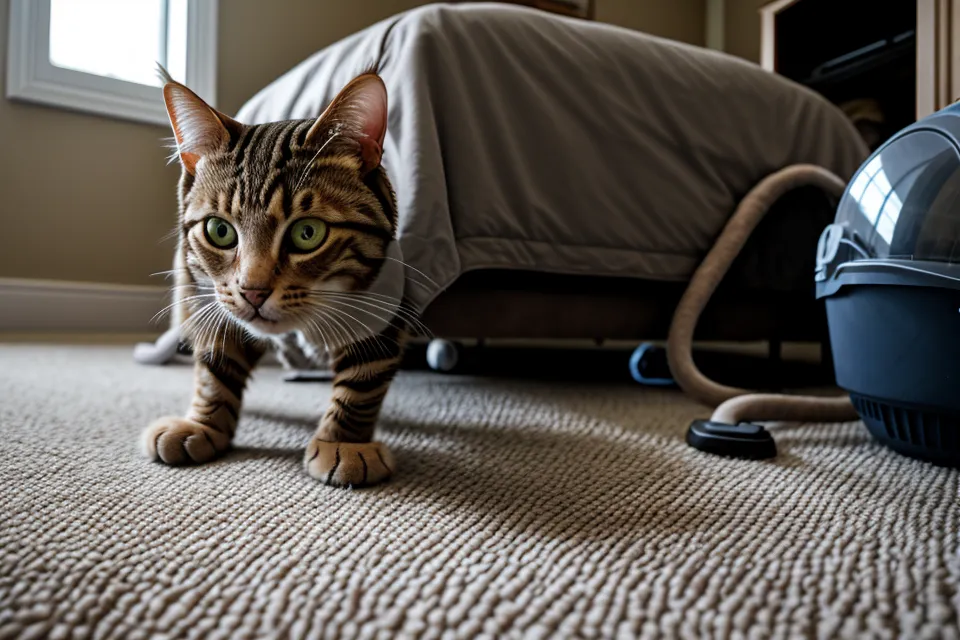
One Tuesday afternoon back in July, during the peak of the heat, I tried one of those silent grooming vacuums. Hopper didn't care that it was 'whisper-quiet.' He felt the vibration, saw the plastic attachment, and was gone. He didn't come out for hours. It was a total failure of trust. That’s why I pivoted back to manual, well-engineered steel. There’s no motor to fail, no battery to die mid-session, and no terrifying hum.
The tools from Revival are built for multi-pet households where the gear gets used every single day. Their site search is a bit clunky—it feels more like a warehouse inventory than a boutique—but the depth of their stock is incredible. I found stainless steel slicker brushes and undercoat rakes that actually reach the 'wool' layer near Beans’ haunches. There is a specific, rhythmic scritch-scritch sound when a high-quality slicker brush finally catches that dead undercoat. It’s satisfying in the same way a perfectly aligned layout is.
The Sensory Struggle: A Designer’s Perspective
If you have an indoor-outdoor cat or even just a very sensitive indoor one, you know the 'overstimulation' bite. It’s that moment when you’re brushing them, and suddenly their tail starts twitching like a metronome. Most tech-heavy tools trigger this almost instantly because of the static or the noise. Using professional manual tools allows me to control the pressure and the speed, keeping the cats under their threshold.
Integrating this into my pre-meeting workflow has been a lifesaver. Before I jump on a Zoom call to present a project, I give both cats a quick five-minute session. It keeps them calm, and more importantly, it keeps the orange dander from floating into my coffee. I’ve reached a point where I have a reflex: the second I disturb a hidden pocket of dander behind the sofa, the immediate sneeze reflex hits. It’s my body’s way of saying, 'You missed a spot with the rake.'
I’ve written before about keeping the kibble flowing during Denver power outages, and grooming is the other side of that reliability coin. If I’m stuck in a design sprint until 9 PM, I need to know that my cats aren't just fed, but comfortable. A matted coat is like wearing a tight pair of shoes you can't take off. It’s stressful for them, which makes them act out, which makes my job harder.
The Verdict on Revival Animal Health Gear
After six months of testing—from the first light of May through the cooling air of late September—I can say that the professional gear holds up. Unlike some of my cheaper smart feeders that drop their connection if the router is two walls away, a stainless steel comb is a 'forever' tool. The bulk-pack pricing at Revival is also great for someone like me who tends to lose things under the couch or forgets to pack them when we head to a pet-friendly rental for the weekend.
If you’re struggling with shedding, stop looking for the gadget with the most LEDs. Go to Revival Animal Health and look for the stuff the vets use. It’s not flashy, and the shipping can be a bit of a hurdle if you don't hit their free-ship threshold, but your cats (and your keyboard) will thank you. For the feeding side of things, I still swear by my multi-cat automated routine to keep my schedule sane, but for the fur, it’s all about the steel.
Now, if I could just find a way to keep Hopper from sitting directly on my drawing tablet during the final hour of a deadline, I’d be set. But I suspect no amount of grooming or tech can fix a cat’s desire to be the center of attention.