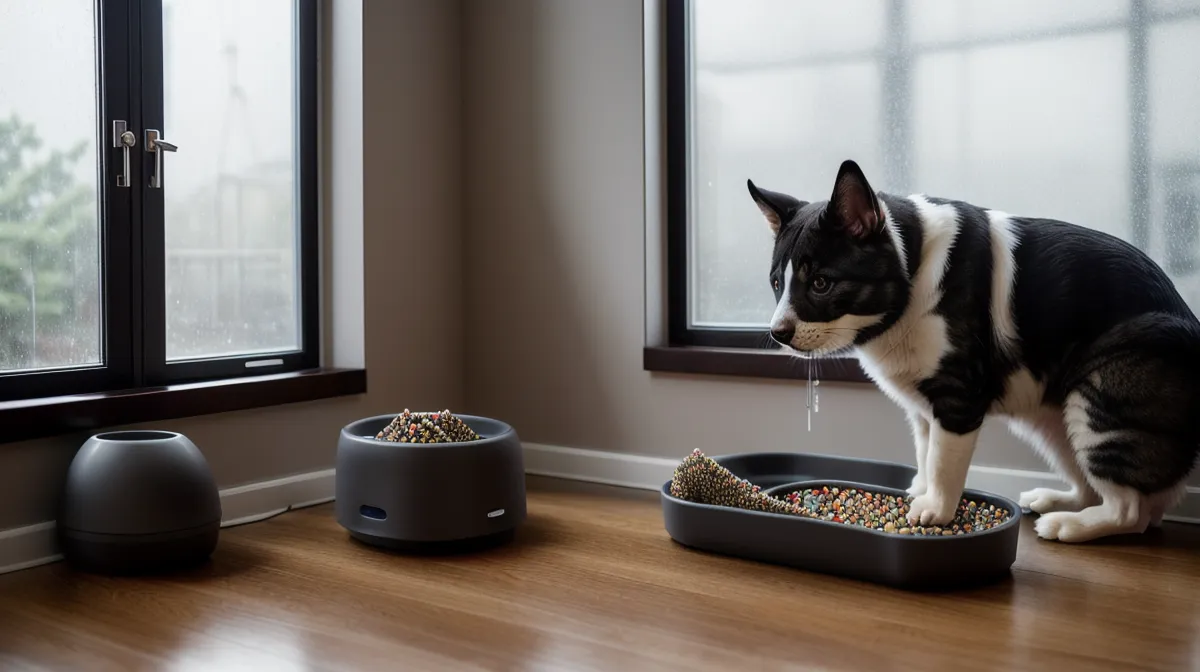
The sleet was hitting my home office window with the rhythmic thwack of a wet towel, and the lights had been flickering for twenty minutes. I was stuck in a client meeting that should have ended at five, but was now drifting toward seven, and all I could think about was whether the grid would hold long enough for dinner to drop. If the power went, would the Wi-Fi take the cats' meal schedule with it?
Quick heads-up: I personally test all this gear in my own apartment because I've been burned before. If you buy through my links, I earn a commission at no extra cost to you. I paid for these units myself to see if they’d actually survive a Denver winter without leaving 9-year-old Hopper and 4-year-old Beans screaming at the kitchen door. If a brand fails the 'frozen sleet' test, they don't make the cut, regardless of the commission.
What happens to my smart feeder when the power goes out?
It depends entirely on whether your feeder is a 'cloud-dependent' gadget or a piece of actual hardware. Back in late 2023, I had a budget feeder that acted like a cheap toaster—the second the plug pulled, it forgot who it was and when it was supposed to work. Now, I look for models with physical battery backups. During one snowy Tuesday in February, my Petkit feeder proved its worth. Even when the house went dark, the internal clock kept ticking because I’d loaded it with the required D-cell batteries.
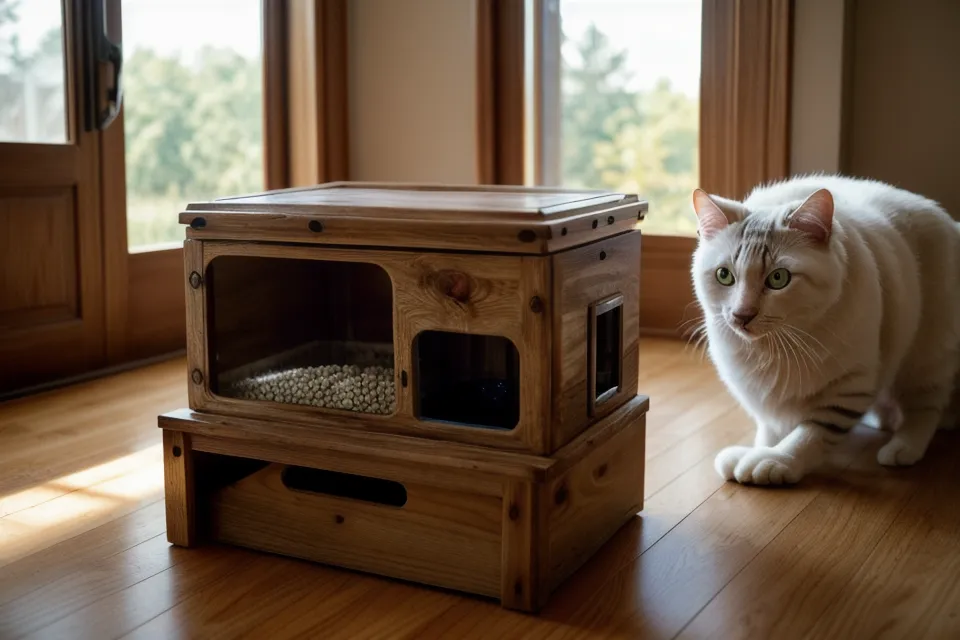
Most high-end feeders will store your schedule locally. This means even if the Wi-Fi is down, the mechanical arm still rotates. Think of it like a manual dishwasher—it doesn't need the internet to drain, it just needs power. If your feeder lacks local memory, your cats are essentially waiting for a server in another state to tell them it's time to eat. That’s a recipe for a very angry 9-year-old tabby.
Does the Wi-Fi connection matter for backup feeding?
Yes, but not in the way you think. Most smart feeders operate on the 2.4GHz frequency band. I know, your router probably brags about 5GHz, but 2.4GHz is the workhorse of the smart home because it cuts through apartment walls better. During my testing in early April, I noticed a weird quirk with a Petlibro unit I was trialing. While it kept the schedule on battery, the app wouldn't update me until the router rebooted.
This is where things get dicey for people managing complex medical diets or insulin requirements. If your cat needs a precise dose of food at a precise time to balance a shot, a "maybe it fed them" notification isn't good enough. Standard feeders are great for convenience, but they rarely have the sensors to confirm that the food actually hit the bowl and was consumed by the right cat. For a medical-needs pet, you aren't just buying a dispenser; you're trying to buy a guarantee. I’ve found that even the best tech can't replace a neighbor with a key if your cat’s life depends on a specific 15-minute window, but a reliable backup system like the one I detailed in The Backup Battery Test gets you pretty close.
How long do the backup batteries actually last?
After about two months of testing, I found that those chunky alkaline batteries can keep a feeder's basic schedule alive for weeks, but they won't power the 'extra' stuff. If your feeder has a camera or a fancy LED light show, those usually shut off to save juice for the motor. It’s a survival mode thing. I’m okay with that—I don't need to see Beans in 4K if the power is out; I just need her to not eat Hopper's tail out of desperation.

The real trap is forgetting the batteries are even there. Alkaline batteries can leak and ruin the contacts, which is like finding out your spare tire is flat right when you have a blowout. I’ve made it a habit to swap mine every six months, usually when I'm changing the desiccant bags that keep the kibble from turning into a soggy mess in the Denver humidity.
Can a smart feeder handle multiple cats during a blackout?
This is my biggest headache. I have a 9-year-old who thinks he’s the king of the kitchen and a 4-year-old ragdoll mix who is basically a walking cloud of fluff and confusion. In a power outage, your RFID or microchip-sensing lids might still work if they have their own batteries, but many 'smart' multi-cat solutions rely on a hub that needs a wall outlet.
If you're worried about food theft while you're stuck in a meeting, you need a system that doesn't just drop food, but protects it. I wrote about this in my Multi-Cat Strategy guide, but the short version is: if the power is out, the hierarchy in your house is going to revert to 'whoever is loudest wins.' A stainless steel bowl, like the one on the Petkit, is also a must-have here. Plastic bowls hold onto the grease and smell of old kibble, which can make a stressed cat even more finicky during a storm.
What should I look for in a fail-safe feeding setup?
Look, I've logged enough feeding misfires to know that 'features' are usually just things that can break. When I’m stress-testing gear, I’m looking for three things:
- Physical Redundancy: Does it take batteries, and are they a standard size like D-cells?
- Local Scheduling: If I take an axe to my router, will the cat still get fed?
- Build Quality: Will a hungry Beans be able to knock it over and trigger a 'kibble landslide'?
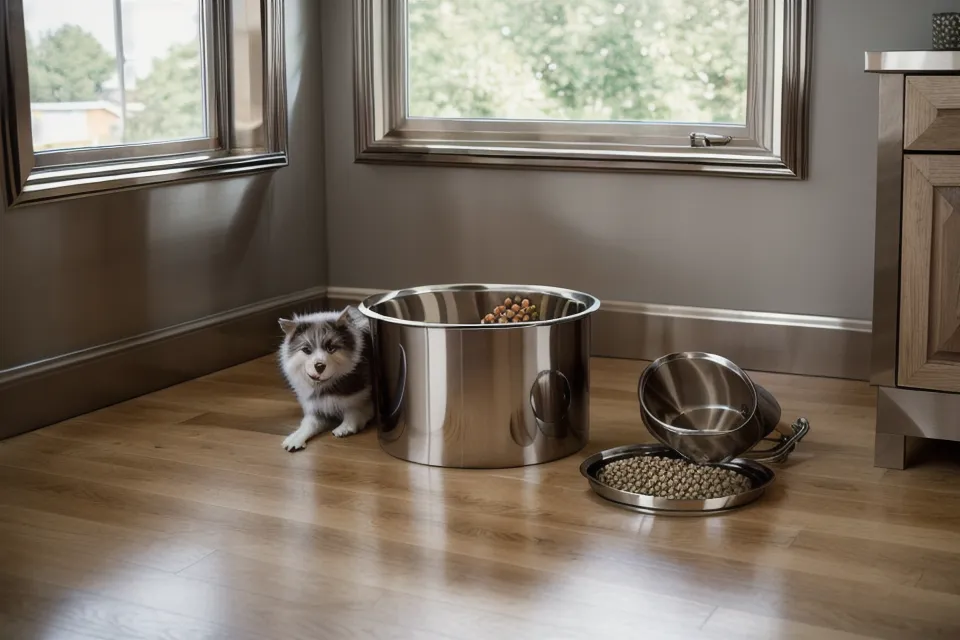
In mid-July, during a particularly nasty heatwave that caused some local brownouts, I was relieved to see my Petkit send a push notification to my phone the second it switched to battery power. It was like getting a text from a friend saying, "Don't worry, I got the kids." That peace of mind is worth the setup hassle. The current price is always changing, so check the vendor's page for the latest, but for me, it beat the 'furious cat' welcome I used to get in 2023.
If you're just starting out and want something reliable without the designer price tag, the Petlibro is a solid alternative, though the Wi-Fi can be a bit more temperamental if your apartment has thick walls. And if you're just trying to keep them comfortable while the power is out, a good orthopedic bed from FunnyFuzzy can at least make the wait for the lights to come back on a bit more tolerable. Just remember: technology is a tool, not a babysitter. Always have a backup plan, even if that plan is just a very reliable neighbor.