It was well after dark in my Denver home office, and the only sound was the hum of my laptop fan as I pushed through a late-night Figma deadline. Usually, at this point in the evening, I hear a very specific sound from the kitchen: the rhythmic, hollow thwack-thwack-thwack of kibble hitting a bowl. It is the heartbeat of my apartment. But that night? Silence. Total, haunting silence.
I looked over at Beans, my four-year-old Ragdoll mix. He wasn't sleeping. He was sitting on the edge of my desk, staring at me with those giant blue eyes, vibrating with the kind of quiet judgment only a hungry cat can project. I realized then that my old 'reliable' setup had failed again. If you’ve ever come home to a jammed feeder and a cat who looks like they’re ready to file a formal complaint with the labor board, you know the panic.
Quick disclosure: some of the pet brands on this site send me a commission when you click through one of my links and buy. I earn a commission, but the price stays the same for you. Everything I talk about here—including the Petlibro Granary—was bought with my own money and lived with for weeks before I even thought about writing this. Hopper and Beans are the ultimate quality control team; if they don't like it, it doesn't make the cut.
The Great Feeder Jam of 2023 and Why I Became a Skeptic
Before I tell you why the Granary is my current daily driver, you have to understand where I’m coming from. Back in late 2023, I experienced what I call the 'Great Feeder Jam.' I was stuck in a client meeting that stretched three hours past dinner time. I came home to a feeder that had simply given up, its motor humming like a stuck dishwasher. Beans was furious. Hopper, my senior tabby, was just confused.
That event turned me into a bit of a pet-tech obsessive. I don't care about flashy apps or sleek marketing. I care about whether the food actually hits the bowl when I'm not there. I’ve spent the last ten months—from late autumn 2025 through late summer 2026—stress-testing every unit I can get my hands on. For Beans, a Ragdoll mix, the stakes are higher. These cats are prone to hydration issues and, weirdly enough, feline acne. A cheap plastic bowl isn't just a nuisance; it’s a vet bill waiting to happen.
The Setup Struggle: 2.4GHz vs. My Sanity
I started the long-term test of the Petlibro Granary in late November. The first hurdle wasn't the hardware; it was my own ego. I spent about forty-five minutes on the kitchen floor, surrounded by cat hair and frustration, trying to force my 5GHz mesh network to recognize a 2.4GHz feeder. I’d forgotten the basic tech specs: most smart pet gear uses the 2.4GHz band because it has better wall penetration. It’s the same reason your old cordless phone worked in the backyard but your tablet dies in the bathroom. Once I swapped my phone to the legacy band, the Granary connected in seconds.
The build quality immediately felt different from the budget models I’d tossed. The rotor is designed to handle kibble from 2mm to 15mm, which is a wide enough range that it didn't choke on the slightly larger, 'hairball control' nuggets Beans requires. It felt sturdy, like a well-built kitchen appliance rather than a toy. I’ve written before about what I wish I knew before my first automatic feeder, and 'check the rotor tolerance' is always at the top of that list.
The Mid-Winter Power Surge Test
After about three weeks of daily use, the Granary had earned a baseline of trust. But the real test came on one snowy evening in February. Denver’s grid decided it had had enough, and we got a nasty power surge followed by a four-hour blackout. I was downtown at a networking event, watching the snow pile up and checking my phone every five minutes.
This is where the 'Best Value' tag on the Petlibro actually means something. I also had a more expensive Petkit unit running in the hallway for Hopper. When the power flickered back on, the Granary reconnected to the Wi-Fi almost instantly. It had kept its internal schedule on the battery backup perfectly. The more 'premium' unit I was testing at the time actually required a manual app refresh to get back on the grid.
There is a specific, hollow 'ping' of a single kibble piece bouncing off the stainless steel bowl in a silent house at three in the morning. During that blackout, hearing that sound via the internal log confirmation on the app was the only thing that kept me from driving home through a blizzard. It’s those small wins that matter when you’re working a job that doesn't always respect a 5:00 PM logout.
Why the Stainless Steel Tray is a Ragdoll Requirement
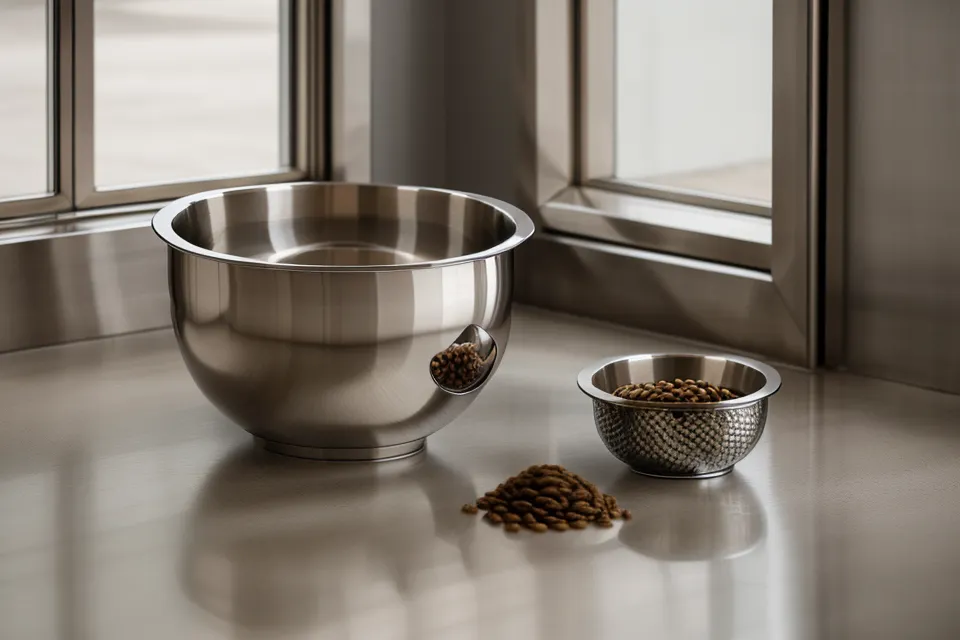
If you own a long-haired breed like a Ragdoll, you know about the 'chin grease' problem. Many automatic feeders use deep plastic bowls that trap bacteria in microscopic scratches. For Beans, this led to a nasty flare-up of chin acne early last year. The Petlibro Granary comes with a high-grade stainless steel tray that sits inside the plastic base. It’s easy to pop out and throw in the dishwasher—or just rinse in the sink like a normal human.
Since switching to the stainless steel setup, Beans hasn't had a single skin issue. It sounds like a small detail, but when you're already dealing with the grooming requirements of a cat that is 40% fluff by volume, not having to scrub feline acne every night is a massive win. If you're currently dealing with a messy kitchen setup, you might want to see how to organize a pet feeding station in a small rental kitchen to make cleaning even easier.
The Desiccant and Freshness Factor
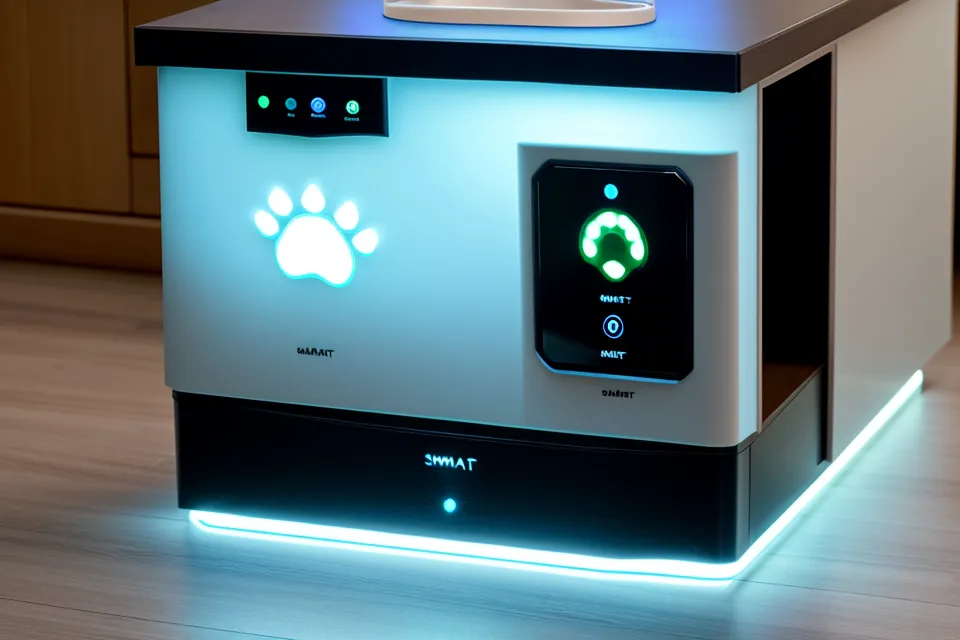
By mid-August, I had been running the Granary for nearly ten months. One thing I noticed during the humid Denver summer weeks was the food freshness. The Granary uses a 30-day desiccant replacement cycle. I’m usually bad at remembering these things, but the lid seal on this unit is surprisingly tight—think of it like a good Tupperware container versus a cheap deli lid.
I noticed Hopper, the senior tabby, sitting exactly four inches away from the feeder one afternoon, staring at the LED light like it was a television show. He wasn't hungry; he was just waiting for the 'fresh' drop. Even after weeks in the hopper, the kibble didn't have that stale, oily smell that usually drives picky cats away. It kept the crunch, which is vital for Beans, who will walk away from a meal if it feels 'soft.'
Final Verdict: Reliability Over Fluff
Is the Petlibro Granary the most high-tech thing in my apartment? No. My mechanical keyboard has more processing power. But it is the piece of gear I trust the most when I’m staring at a 9:00 PM deadline and a mountain of revisions. It handles the 2.4GHz band reliably, the stainless steel bowl keeps Beans healthy, and it doesn't throw a tantrum when the power blinks.
If you're looking for something that just works—without the 'premium' price tag of the Petkit—the Granary is the one I’d tell you to buy over brunch. It’s handled ten months of Denver weather, two power outages, and the relentless curiosity of a Ragdoll mix without a single missed meal. For a freelance designer who is often one client call away from a late dinner, that peace of mind is worth every penny. For more on how I’ve built a system that survives my work schedule, check out my guide on keeping the peace when meetings run late.
If you're ready to stop worrying about the 'Great Feeder Jam' in your own kitchen, I highly recommend picking up the Petlibro Granary. Your cat—and your stress levels—will thank you.