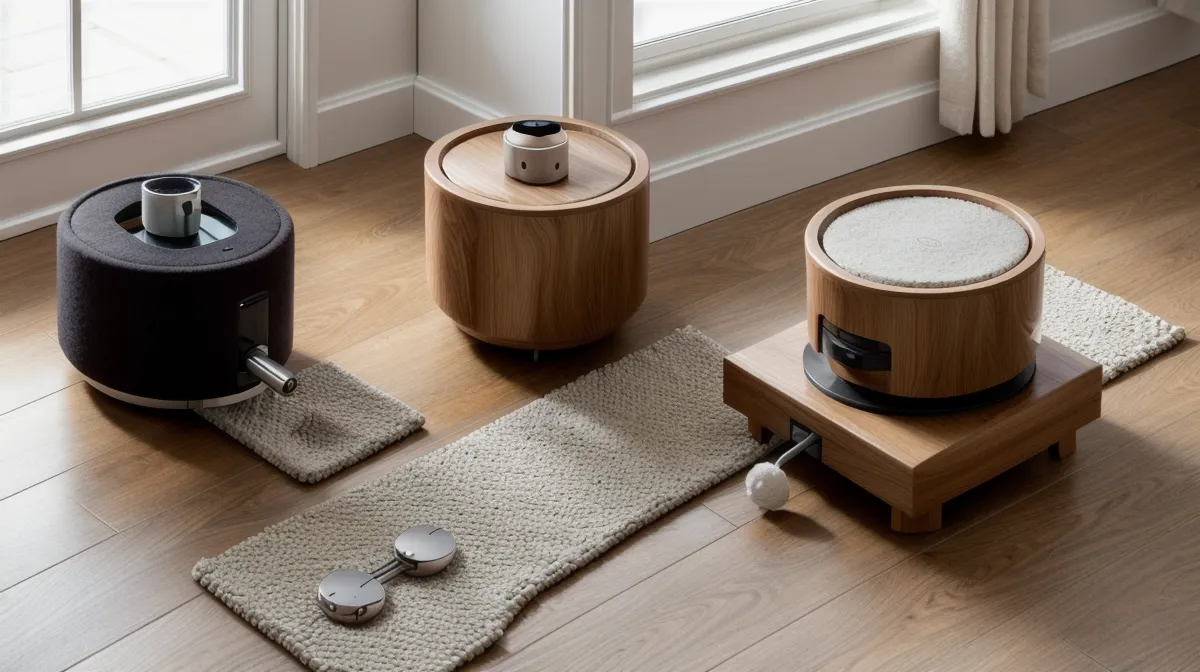
A dead router and a dead battery do two completely different things to a smart feeder — mix them up and you get Hopper glaring at an empty bowl while the app on your phone insists everything is fine. One failure kills the connection. The other kills the dispense. A battery backup sticker on the box promises to cover both, and after running feeders through real outages in this apartment, that promise holds up about half the time. That gap is exactly where solid emergency pet care planning and a false sense of reliability part ways, and it is worth troubleshooting before a storm makes the choice for you.
My friend who does early-morning CrossFit at a box in Capitol Hill texted me while I was grabbing coffee at Stanley Marketplace in Aurora, asking whether battery backup on a feeder is even real or just a line on the packaging. Fair question. Here is what I have actually seen happen, sorted by what people ask me most.
Does Battery Backup Actually Make a Feeder Reliable?
Mostly, yes, in the one sense that matters: the motor keeps turning. In every outage I have tracked, a charged backup battery kept the clock and the dispensing motor running, and food dropped on schedule. Right before it drops, the motor does a soft catch-and-release stutter, almost like it is clearing its throat, and hearing that faintly through a closed kitchen door has given me more reassurance than the app ever did. But the Wi-Fi chip is the first thing to go quiet in an outage, so the app stops updating and you get no confirmation on your phone. It is the same trust exercise as a dishwasher running behind a locked door. You hear nothing, see nothing, and just have to believe the cycle finished. If your feeder's backup battery has sat in the same slot for months without ever being drained on purpose, you do not actually know any of this works. You are guessing.
The Silence After a Router Goes Dark
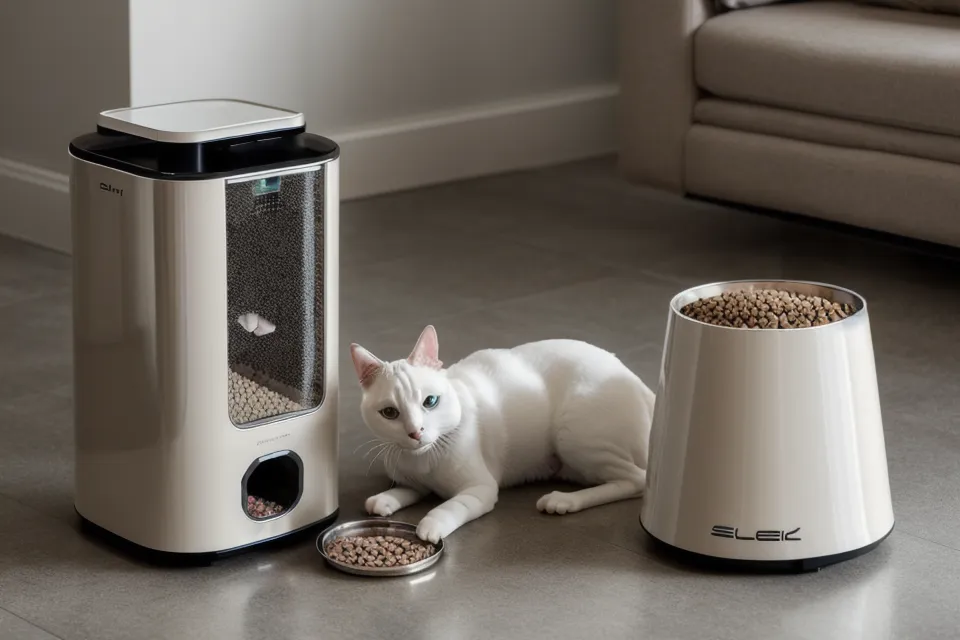
Look, a grayed-out app icon feels louder than any alert. When my router dropped mid-outage, the notification said offline and stopped there. No update, no reassurance, nothing further. That silence is the real risk with a 2.4GHz setup, since most feeders run on that band for range, and it is also the first frequency to disappear when a router reboots or a modem loses power. Beans has sat in front of a feeder mid-outage, just staring at the chute, waiting on a sound that was not coming, as if she could tell the difference between broken and merely slow.
If your app does not flag a feeder as offline within a minute or two of a power event, do not wait around for a push notification. Walk over and check the bowl yourself.
Reading the Corrosion Inside a Battery Compartment
Cold snaps are rough on alkaline cells, and I do not need the full chemistry lesson to know what it looks like when it goes wrong. I opened a battery compartment expecting nothing and found a crusty white-and-green mess creeping over the contacts. Batteries that had tested fine two months earlier. And I have fished a swollen D-cell battery out of a compartment that looked more like a science experiment than a power source. That is the part nobody prints on the box: backup batteries do not fail all at once. They corrode quietly until the one night you actually need them, and then they will not make contact at all.
A Battery Maintenance Routine That Actually Prevents Failures
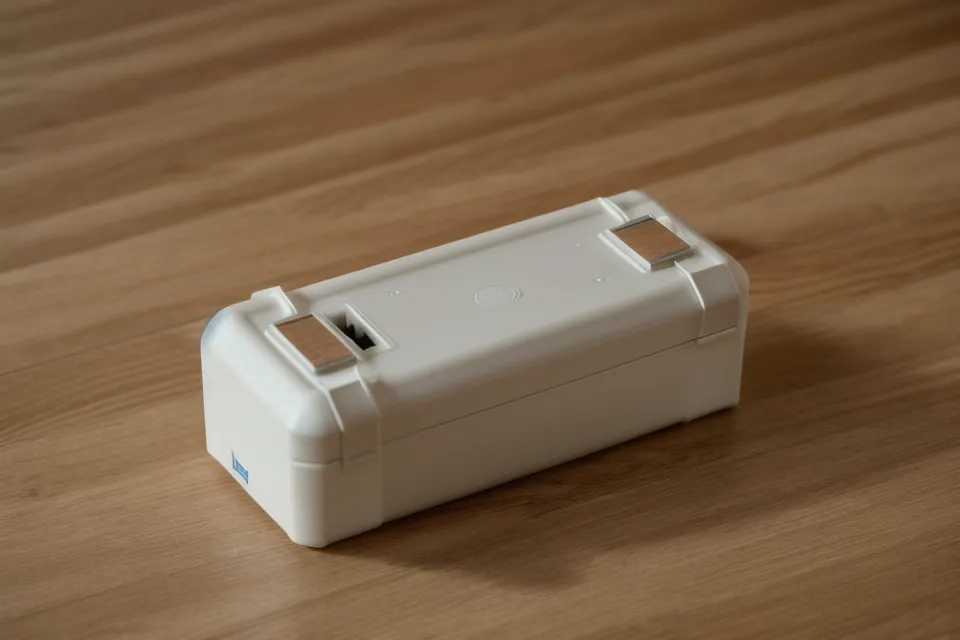
But a routine only helps if you actually run it. Mine is unglamorous: fresh batteries in, contacts checked, old batteries dated with a marker so I know how long they have been in service before I check again. That last part sounds unnecessary until you realize most people cannot say when they last opened the compartment. That is the real failure: not the batteries themselves, but never knowing their age.
Should You Trust the 'Battery Backup' Label?
Not blindly. Test it instead of trusting the sticker. Unplug the feeder for an afternoon and watch what actually happens: does the motor still turn at the scheduled time, does the app say anything useful, does the bowl actually fill. Answer those three honestly and you know exactly what your setup covers in a real emergency and what it does not. Skip the test and you are relying on a marketing claim instead of a verified one. It is a cheap twenty-minute check compared to finding out mid-storm.
Building Redundancy Beyond the Battery Icon
A single feeder, however good its backup claims to be, is still one point of failure. I go into that idea more in The Redundancy Rule, and it applies to power outages just as much as it applies to Wi-Fi drops. My own setup pairs the smart feeder with a small gravity feeder that stays mostly empty, there for outages that outlast the backup battery. Unglamorous. But it has never once let Hopper or Beans go a full day without food, even during a week when the power flickered three separate times.

That matters most on nights when work runs long. Late-night meetings and hungry cats are already a rough combination without a power outage stacked on top.
None of this fixes ordinary cat weirdness, for the record. The fountain out there hums along fine right now, filtered and full, while Hopper has his chin jammed under the kitchen faucet instead, which tells you reliable gear and a rational cat are two separate problems. I learned that the hard way with a wide ceramic bowl that had a built-in reservoir. It was a decent idea on paper, but it turned slimy within three days of a real Denver summer heat wave and went straight in the trash. Better hardware did not fix that one. Regular cleaning did.
Battery backup is just one slice of the reliability question, too. It does not touch portioning meals accurately across a long workday, or keeping a determined cat from prying open a hopper lid, or running two cats on separate diets through a single microchip feeder, or how fast wet food turns before an ice pack gives out, or what Denver's hard water does to a fountain filter over time, or a jam happening mid-meal for reasons that have nothing to do with power, or confirming a drop actually happened over camera instead of guessing, or how a feeder's Wi-Fi holds up under real stress instead of a five-minute demo. Each of those is its own rabbit hole.
This one is only about surviving the hours when the grid itself is the problem, not the gear. Buy a feeder with a real backup battery if you want one less thing to worry about, but treat the label as a hypothesis, not a guarantee, until you have watched it work with your own eyes. That test costs nothing but an afternoon, and it is a lot cheaper than a hungry cat and a ruined rug at ten at night.