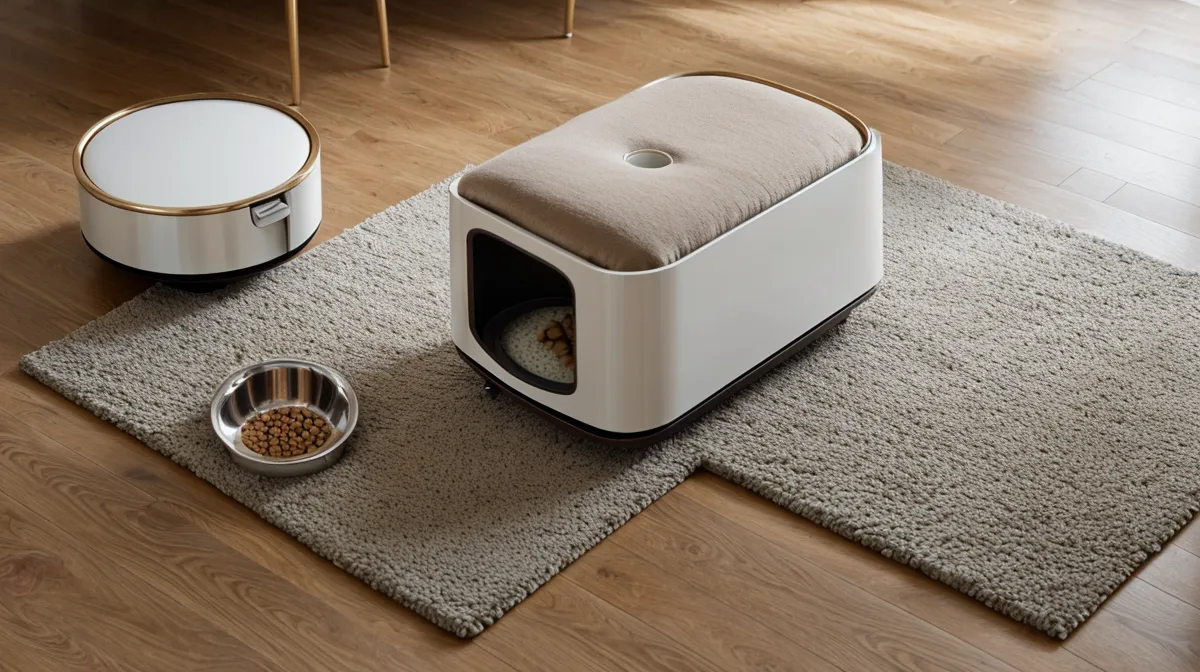
It is late evening, and I am currently staring at a Zoom window that should have closed forty minutes ago. I am muted, my camera is off, and I am bracing for the sound. If you live with cats, you know the sound: that sharp, rhythmic scratching at the office door that says, "I do not care about your Q4 deliverables; my bowl is empty, and you are failing as a provider."
Just so we are clear before we dive in: some of the links you will see here are affiliate links, which means I earn a commission if you pick something up, at no extra cost to you. I buy this gear with my own freelance checks and live with it for months before I even think about writing this. If Hopper and Beans do not like it, or if it dies during a Denver blizzard, it does not make the cut, regardless of the kickback.
Living at 5,280 feet in suburban Denver, things are a bit different. The air is dry, the winter storms are aggressive, and my two cats—Hopper, a 9-year-old tabby with a temper, and Beans, a 4-year-old ragdoll mix who is mostly fluff and bad decisions—have a very strict schedule. They are crepuscular by nature, meaning their internal alarms go off right as I am usually hitting my stride on a design sprint. When my old, cheap feeder jammed back in 2023, it was like a dishwasher getting stuck mid-cycle—messy, frustrating, and it left me with a house full of furious pets. That was the last time I trusted a bargain-bin motor with my cats' dinner.
The Setup Struggle: Why 2.4GHz is the Bane of My Existence
I started testing the Petkit [Editor's Pick] back in mid-November during a particularly nasty project crunch. As a product designer, I appreciate sleek hardware, but the onboarding process for smart pet gear often feels like it was designed by someone who has never actually met a router. I spent forty-five minutes swearing at my router settings because I forgot my mesh system hides the 2.4GHz band, making the initial setup a headache. Most of these smart feeders require that specific 2.4GHz frequency because it handles the distance between your kitchen and your office better than the faster 5GHz bands, but getting them to shake hands for the first time is a chore.
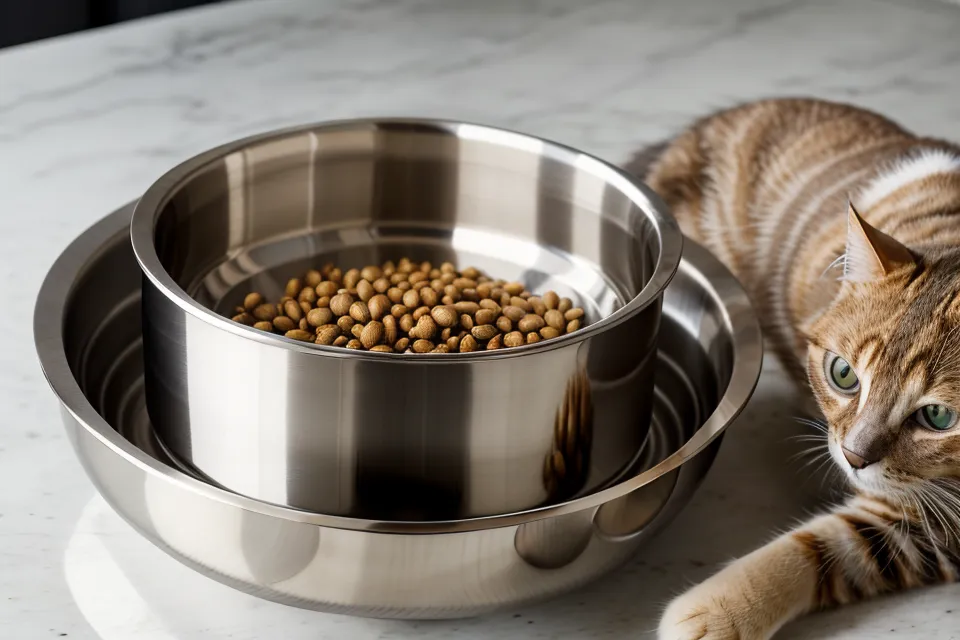
Once the app finally recognized the device, I had to deal with the physical side of things. One thing I have learned from years of feeding misfires: plastic bowls are the enemy. They are porous, they trap grease, and they are the primary culprit behind feline acne. This model uses 304 stainless steel, which is the industry standard for hygienic food prep. It rinses clean, it does not hold onto that stale kibble smell, and most importantly, it does not irritate Hopper’s chin. If you are still using the plastic inserts that come with budget feeders, you are basically asking for a vet bill down the road.
The Multi-Cat Conflict: Beans vs. Hopper
Testing a feeder in a one-bedroom rental with two cats is a lesson in resource guarding. Beans is a ragdoll mix, which sounds elegant, but in reality, he is a tactical food thief. If I leave a bowl open, he will nudge Hopper out of the way before the first piece of kibble even stops bouncing. This is where most "automated" systems fail. They assume your cats have manners. They do not.
During the first six weeks of daily use, I had to monitor how the feeder handled the "double-cat rush." While this feeder does not have a physical divider that can stop a determined thief, the portion accuracy is high enough that I can schedule micro-meals. Instead of one big dinner that Beans can hijack, I set it to drop four small snacks over two hours. It changed the energy in the kitchen from a frantic brawl to a series of polite, metallic clinks. For more on how I handle these two, you might want to check out my multi-cat strategy for stopping food theft.
The Spring Snowstorm: A Test of Redundancy
The real turning point came during an early spring snowstorm. If you have lived in Colorado, you know the drill: heavy, wet snow that takes out power lines like they are made of dental floss. I was stuck at a coffee shop three miles away, watching the power grid map turn red on my phone. The Wi-Fi at home was dead. My first thought was not about my fridge; it was about whether the cats were going to start eating my houseplants because their "smart" feeder was now a paperweight.
But that is the beauty of a proper battery backup. Even with the Wi-Fi offline, the internal clock on the Petkit kept ticking. I got home to find two very smug cats who had clearly been fed on time. The app notification popped up the second my phone reconnected to the local tower, and I remember thinking, 'Finally, a developer who actually prioritized the push-server latency for someone whose cat has a short fuse.' It is one thing to have a fancy app; it is another to have a device that performs its core task when the 'smart' half of the gear goes dark.
If you are looking for something a bit more budget-friendly but still reliable, I have also spent time with the Petlibro [Best Value]. While the notifications can occasionally lag by thirty minutes, the actual mechanical feeding hasn't failed me yet. You can read more about that specific experience in my review of the Petlibro Granary for ragdolls.
Sensory Details and Long-Term Reliability
After about ten months of use—stretching from that project crunch last autumn through the end of summer 2026—the novelty has worn off, but the reliability has remained. There is a specific sensory experience to a good feeder. It is the rhythmic, metallic clink-clink-clink of kibble hitting the stainless steel bowl, echoing through the quiet house while I am muted on a Zoom call. It is the sound of peace of mind. It means I do not have to rush through a client's feedback just because the sun is going down.
I have also paired the feeding station with a FunnyFuzzy [Cozy Pick] orthopedic bed nearby. Hopper usually camps out there about twenty minutes before a scheduled drop. It has become a little ritual. He knows the machine is more reliable than I am. For those who like to keep their supplies stocked in bulk, I usually grab my cleaning kits and extra filters from Revival Animal Health, just to keep the maintenance overhead low.
The Verdict After 10 Months
Look, no piece of tech is perfect. You will still have to clean the hopper, you will still have to replace the desiccant packs to keep the Denver humidity from turning the kibble into a soggy mess, and you will definitely still have to fight with your Wi-Fi settings at least once. But the difference between a "gadget" and a "tool" is whether it works when you aren't looking. After logging dozens of late-night meetings and one major power outage, the Petkit [Editor's Pick] has graduated to a permanent spot in my kitchen.
If you are tired of coming home to a jammed feeder and a furious cat, stop looking for the cheapest option. Look for the one with the best battery backup and a stainless steel bowl. Your cats—and your office door—will thank you. For more of my testing logs, take a look at how my feeders handled a power outage during a real-world stress test.