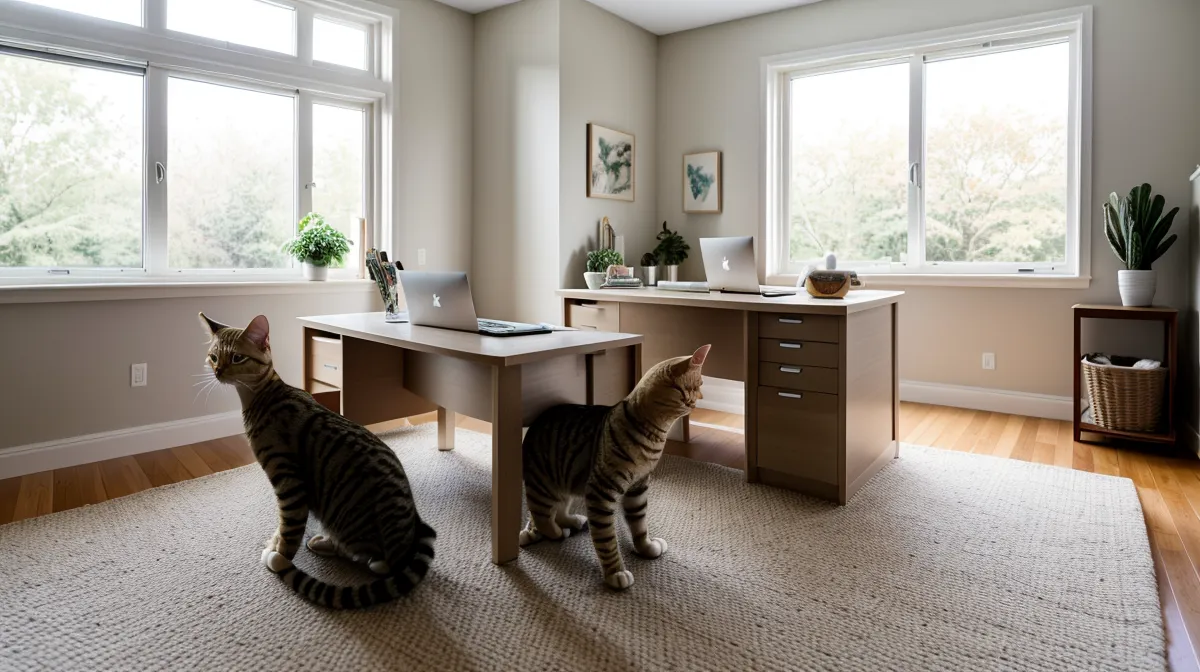
It is currently late evening, and I am staring at a Figma file while a client requests ‘one more quick tweak’ to a landing page. Usually, this is where the cold spike of anxiety hits my chest, not because of the deadline, but because my cats’ dinner was supposed to happen twenty minutes ago. But for the first time in years, I do not feel that panic.
Before we get into the nuts and bolts of how I automated my life, a quick disclosure: a few of the pet brands on this site send me a commission when you click through one of my links and buy. I earn a commission, though your price stays exactly the same. I buy this gear out of pocket first, live with it for weeks, and only keep what survives Hopper and Beans. If a brand drops their affiliate program later, they still keep my recommendation if the hardware actually holds up.
The Ghost of Feeders Past
To understand why I became a person who stress-tests pet tech, you have to go back to late 2023. I came home from a marathon session at a local studio to find Hopper, my 9-year-old tabby, staring at me with the kind of silent fury usually reserved for vet visits. The budget plastic feeder I’d bought on a whim had jammed. A single, slightly oversized kibble had wedged itself into the dispensing wheel like a stray fork in a dishwasher, and the whole system just gave up. No notification. No backup. Just two hungry cats and a lot of guilt.
Since that night, I’ve approached pet gear like I approach a design system: it has to be redundant, it has to be durable, and it has to work when the primary infrastructure fails. I spent the period from late autumn last year through the peak of this summer—roughly nine months—putting a Petkit system through its paces to see if it could handle the reality of a freelance life in suburban Denver.
The Wi-Fi Handshake and the Sofa Crawl
Mid-winter during a project launch, I decided it was time to finalize the new setup. The first hurdle of any smart feeder isn’t the food; it’s the Wi-Fi. I spent forty minutes crawling behind the sofa, covered in cat hair and dust bunnies, trying to force a 5GHz signal onto a device that only talks in 2.4GHz. Most smart home gear uses the 2.4GHz frequency because it travels through walls better, but if your router is set to 'auto,' it’s a headache. I eventually stopped fighting the machine, read the manual, and separated my bands. It was a humbling moment for someone who builds digital products for a living.
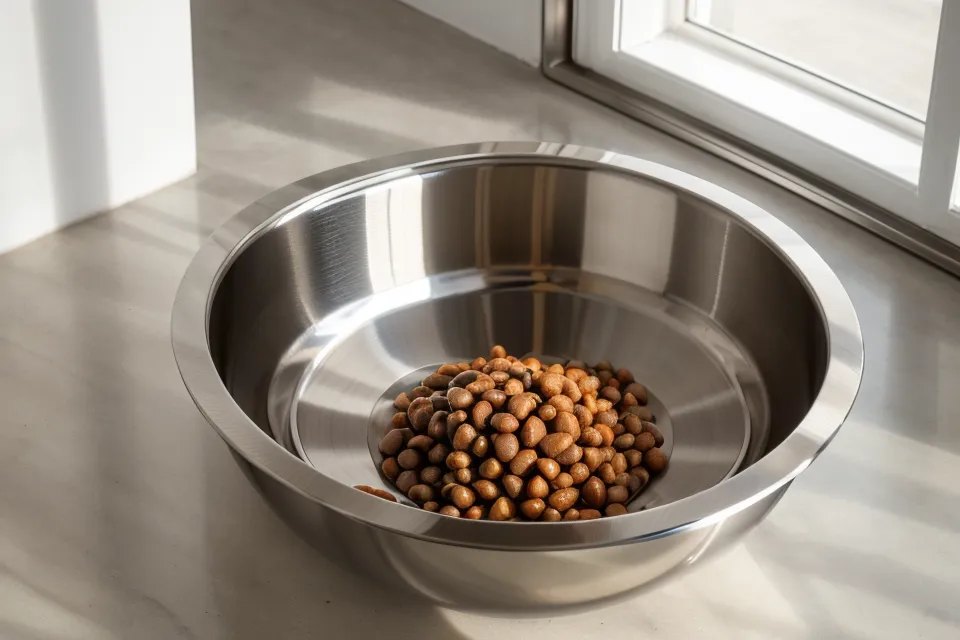
But once the handshake happened, the difference in build quality was immediate. My old feeder felt like a takeout container; this one felt like an appliance. The bowl is made of 304 stainless steel, which is a big deal if you’re worried about biofilm. Bacteria loves the microscopic scratches in plastic, but it has a harder time clinging to non-porous steel. There is a specific sensory satisfaction in the cold, heavy weight of the stainless steel bowl and the way it clinks into the magnetic base with a satisfying snap.
The Denver Thunderstorm Test
Early spring in Denver brings two things: beautiful blooms and terrifying afternoon thunderstorms. I was miles away at a client’s office late last month when a particularly nasty cell rolled through. The power flickered at home, the kind of micro-outage that resets every microwave clock in the neighborhood. In the past, this would have meant my cats didn't eat until I got home.
Instead, I felt my phone buzz. I looked down during a tense meeting and saw a 'Battery Backup Active' notification, followed shortly by a 'Meal Delivered' alert. Staring at that notification, I felt the physical tension leave my shoulders because I knew Hopper wasn't starving. The Petkit kept its internal clock and its dispensing schedule even without the house power. That peace of mind is why I tell people to look for feeders with a robust backup battery test before they commit.
Whisker Fatigue and the Size Disparity Problem
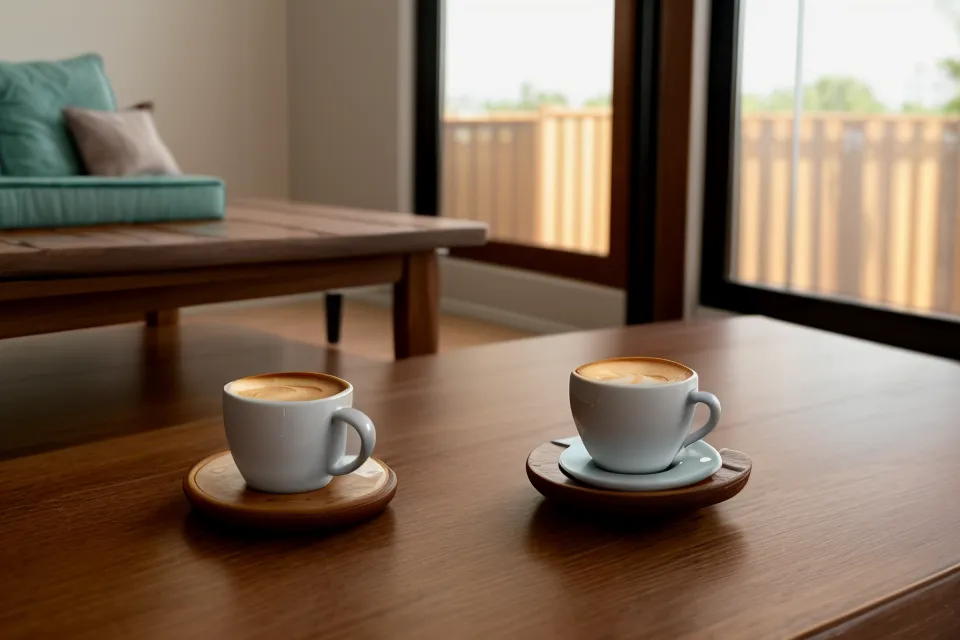
One thing nobody tells you about having two cats with a significant size disparity—Hopper is a sturdy tabby and Beans is a smaller ragdoll mix—is that feeding isn't just about timing. It’s about politics. Hopper used to hover over the bowl, and because the old plastic one was narrow, Beans would often get 'whisker fatigue.' This is a real sensory stress condition where a cat's highly sensitive whiskers constantly brush against the sides of a deep bowl, making them hesitant to eat.
The stainless bowls in this system are wider and shallower, which helped. But the real challenge in a multi-pet household is the food heist. If you have a dominant pet, a standard timer might just be an invitation for the big one to eat two portions while the smaller one watches. While I’m currently using a synchronized dual-feeder setup, I’ve started looking into microchip-activated systems for the next round of testing. If your cats have different diets or one is a notorious plate-cleaner, you might need something like the Petlibro models that offer more granular control, which I’ve noted in my review of the Granary for Beans.

The Six-Week Shift
After about six weeks of testing, I noticed a change in my house that wasn't on any spec sheet. My cats stopped associating me with the immediate delivery of food. It sounds cold, but it’s actually a relief. Beans no longer paces across my keyboard at dusk, trying to headbutt me into the kitchen. Instead, she waits by the feeder because she trusts the machine more than my schedule. She knows the machine is never in a 'quick sync' with a creative director.
Offloading that 'mental load' has actually improved my creative focus. I’m not checking the clock at 5:45 PM while I’m in the middle of a flow state. I know the 304 stainless steel is keeping things clean, and I know the 2.4GHz connection is solid. I’ve logged enough feeding misfires over the years to know that technology shouldn't just be 'smart'—it should be boring. It should work so consistently that you forget it’s there.
Maintenance and the ‘Stuck Dishwasher’ Analogy
Maintenance is where most people fail with these gadgets. You can't just set it and forget it for a year. Think of it like a dishwasher; you have to clean the filter occasionally, or things get gross. I pull the whole assembly apart once a month. The Petkit is surprisingly easy to deep-clean, though the replacement desiccant packs (which keep the kibble from going stale in the Denver humidity) are an ongoing cost you have to factor in. If you want a lower-maintenance option for water, I’ve found that FunnyFuzzy beds are great for the cats to lounge in while they wait for their next meal, but for the actual feeding tech, you want something that can be scrubbed.
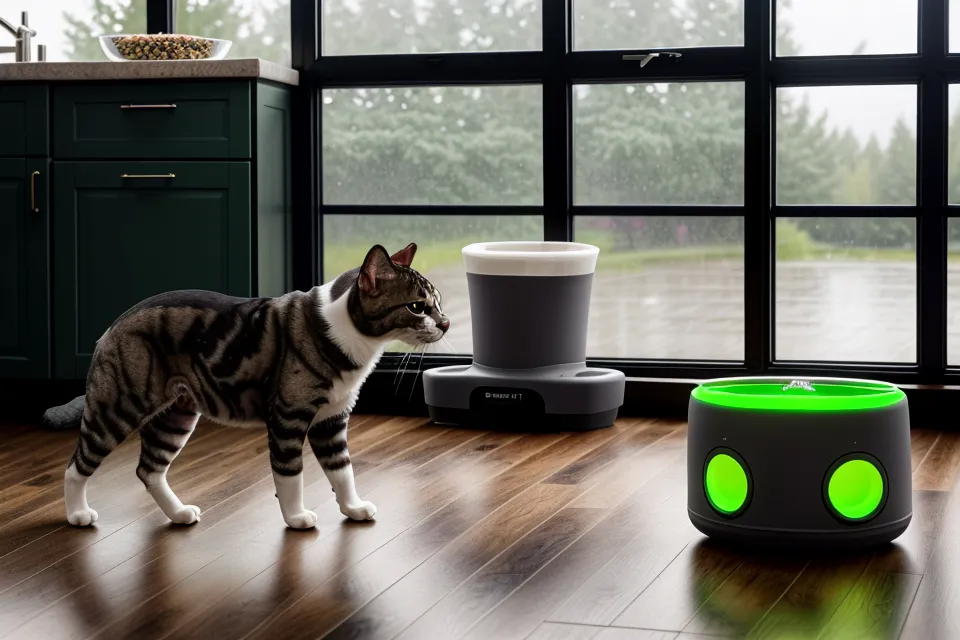
If you're a renter like me, you also want gear that doesn't require a toolbelt. My renter-friendly guide to automated pet care covers more of that, but the gist is: look for heavy bases and cord guards. Hopper has a habit of 'testing' cords with his teeth when he's bored, and a braided cable is a must.
At the end of the day, I’m just a designer who got tired of being bullied by a tabby. These machines aren't a replacement for spending time with your pets—I still give Beans her favorite treats by hand and Hopper gets his chin scratches—but they are a replacement for the anxiety of a late-night deadline. If you’re tired of the 'furious cat' welcome after a long day, it might be time to stop trusting the cheap plastic timers and start looking at gear that can handle a power flicker and a 2.4GHz handshake without breaking a sweat.
If you're ready to stop worrying about your cats' dinner during that next late-night meeting, I'd suggest starting with a reliable, battery-backed system like the Petkit or checking out my other stress-tested pet tech guides to find the right fit for your apartment.