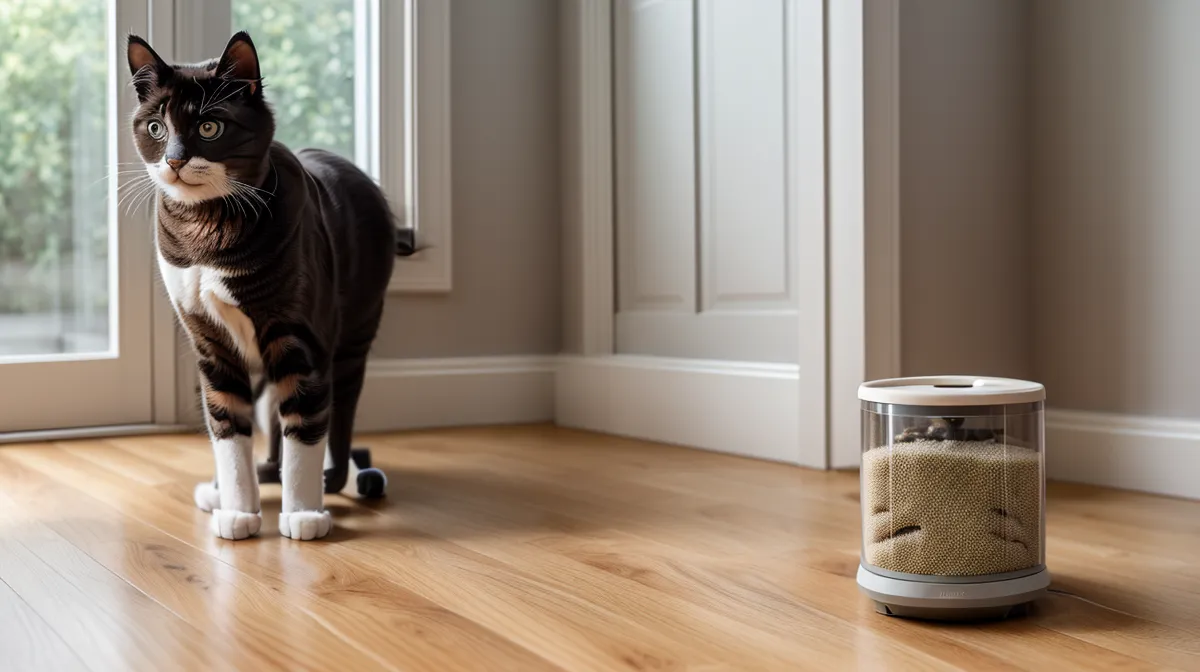
One evening last winter, I was deep in a Figma prototype for a client when I realized the sun had been down for hours and I hadn’t heard the familiar sound of dinner being served in the kitchen. Usually, the apartment has a heartbeat—the mechanical whirr and then the frantic skittering of paws—but that night, it was dead silent.
Quick disclosure: a few of the pet brands on this site send me a commission when you click through one of my links and buy. I earn a commission, but it's at no extra cost to you. Everything I talk about was bought out of pocket first and lived with for weeks here in Denver. If a product doesn't survive Hopper and Beans, it doesn't make the cut, regardless of the affiliate program.
That silence in mid-February sent a cold spike through my chest. I immediately pulled up my security camera feed, squinting at the grainy night-vision view of the kitchen floor. There they were: Hopper, my 9-year-old tabby, and Beans, the 4-year-old ragdoll mix, sitting like two furry gargoyles in front of a jammed, blinking plastic feeder. It felt like the 'Great Jam of 2023' all over again, and I knew right then that my DIY 'good enough' setup was officially fired.
The Kitchen Floor Failure and the 2.4GHz Wall
After that February fiasco, I turned my suburban rental into something of a pet-tech lab. I’m a product designer by trade, so I tend to look at feeders the way I look at a stuck dishwasher—it’s a mechanical failure that usually stems from poor design or cheap materials. I replaced the old plastic headache with the Petkit system, and the first thing I learned is that 'smart' gear is only as smart as your router allows it to be.

I spent twenty minutes sitting on the kitchen floor trying to force a 5GHz connection before remembering the 2.4GHz requirement written on the router’s underside. It’s a classic smart-home trap. Most of these high-end feeders need that specific 2.4GHz frequency because it penetrates walls better, which is crucial when your feeder is tucked in a kitchen nook and your router is in the home office. Once I stopped fighting the hardware and switched bands, the Petkit finally hummed to life.
The transition wasn't just about the app, though. Beans had been developing what I call 'kibble acne'—those little black bumps on the chin. My vet suggested switching from plastic to a non-porous material. The stainless steel bowl on the Petkit is actually resistant to the bacterial buildup that causes feline acne, and within a few weeks of use, Beans' chin was clear. It’s one of those design details that seems minor until you’re cleaning a cat's face with medicated wipes every night.
The June Storm: A Real-World Stress Test
A heavy deadline week in June provided the ultimate stress test. I was stuck at a networking event downtown when a sudden summer thunderstorm rolled through the valley, knocking out the power to my neighborhood. In the past, this would have been a full-blown emergency. I would have been checking my dead camera feed every thirty seconds, sweating through my professional small talk.
But this time, I didn't have to. Even with the Wi-Fi down and the apartment in total darkness, the Petkit battery backup kicked in. My phone buzzed with a 'Feeding Successful' alert—a push notification that actually arrived within seconds rather than the laggy delays I’d logged with cheaper models. I felt an immediate loosening of my shoulders during that high-stakes design presentation. Knowing the cats weren't staging a coup in the dark allowed me to actually finish my drink and network like a normal human.
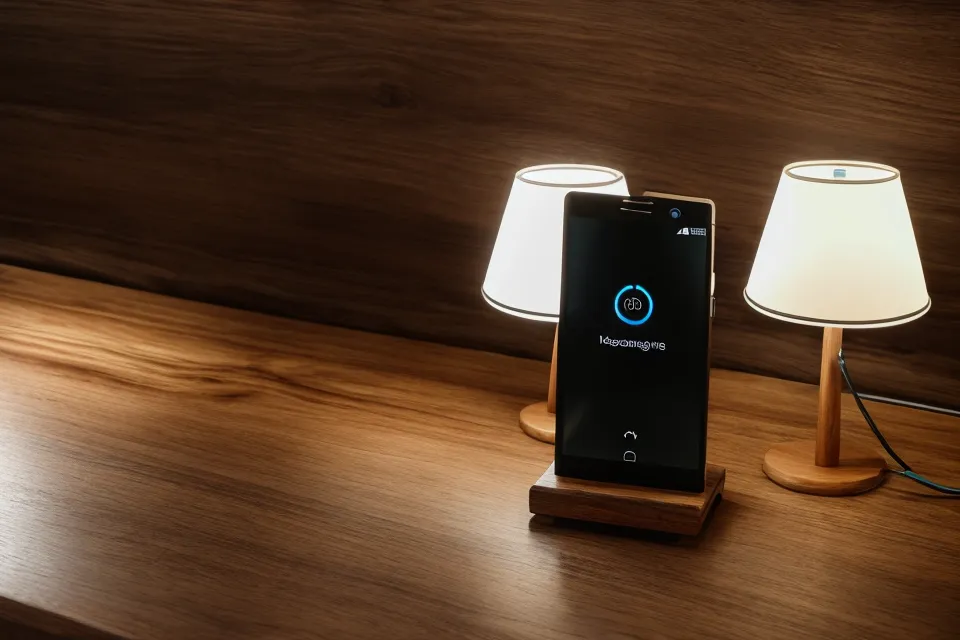
If you've ever worried about your tech failing during a blackout, I've written more about how my smart feeders handled a power outage during these long client stretches. It's the kind of redundancy that feels like a luxury until the lights actually go out.
The Multi-Cat Dynamic: Hopper vs. Beans
Multi-pet households have a specific kind of chaos that single-cat owners don't always understand. Hopper is 9 and has senior-level patience, but Beans is 4 and operates on high-octane ragdoll energy. In a standard setup, the dominant pet often just shoves the other aside, leading to one fat cat and one very grumpy, hungry one. Since cats are crepuscular, they are naturally most active and hungry during dawn and dusk—which, coincidentally, is exactly when my client meetings tend to run over.
I noticed that the rhythmic, metallic clink-clink-clink of kibble hitting the stainless steel bowl is audible even through my closed office door. That sound serves as a dinner bell that actually separates them; they’ve learned the 'cadence' of the drop. While I still use a redundant feeding station to ensure Hopper gets his fair share, the reliability of the primary feeder means I’m no longer playing referee from a remote camera app.
For those with picky eaters like Beans, I’ve found that pairing a reliable feeder with a solid water source is key. I actually keep a Petlibro fountain in the other room because the moving water keeps Beans from bothering Hopper at the food bowl. You can read my notes on why the Petlibro works for my ragdoll mix if you're dealing with a cat who thinks a still water bowl is an insult to their dignity.
Final Thoughts from the Home Office
By late August, I realized I hadn't opened my pet camera app in weeks. The true value of 'smart' gear isn't the flashiness of the interface or being able to see a 4K stream of your cat sleeping. It’s the silence. It’s the absence of worry when a client meeting runs an hour over and the sun starts to set.
Earlier this month, I did a routine deep clean of the gears—checking for the 'kibble dust' that usually causes the motor to seize in lower-end models. Everything was clear. If you're tired of the 'dead battery' surprises and the 'feeder jammed' notifications that ruin your evening, investing in a system with a verified battery backup and a stainless steel finish is the way to go. You can find the current price for the Petkit on the vendor's page, as it tends to fluctuate based on seasonal sales.
Look, we all want to be the person who is always home by five to hand-scoop organic pâté. But for those of us in the freelance trenches, a feeder that actually drops the food when it says it will is the best way to keep the peace. If you're looking to stock up on other essentials like grooming supplies to handle the seasonal shedding that comes with this Denver autumn, I usually grab my bulk supplies from Revival Animal Health to keep the pantry full.
Now, if I could just find a smart gadget that keeps Beans from sitting on my keyboard during a screen-share, I’d be truly set.